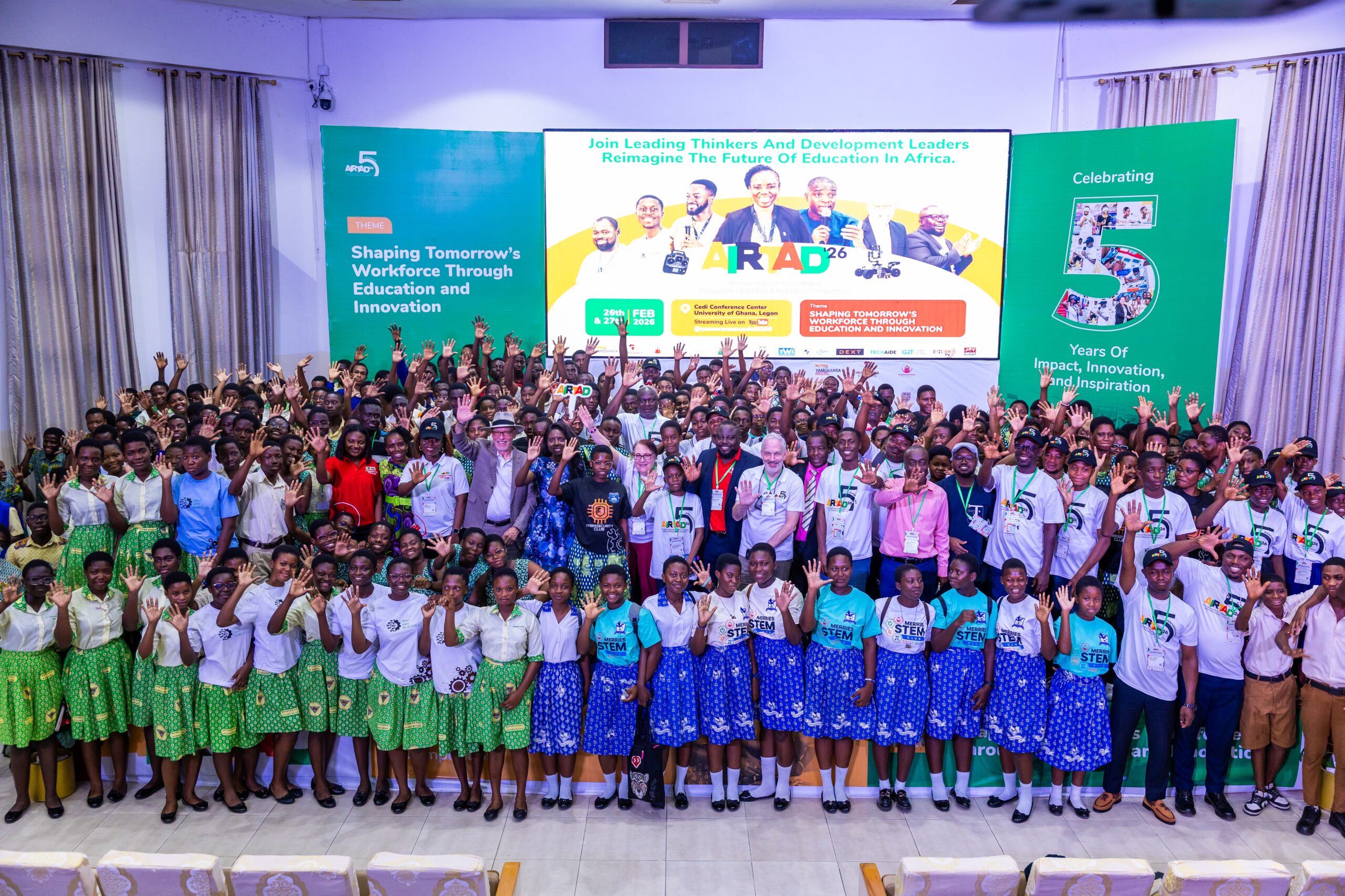
Shaping Tomorrow's Workforce through Education & Innovation
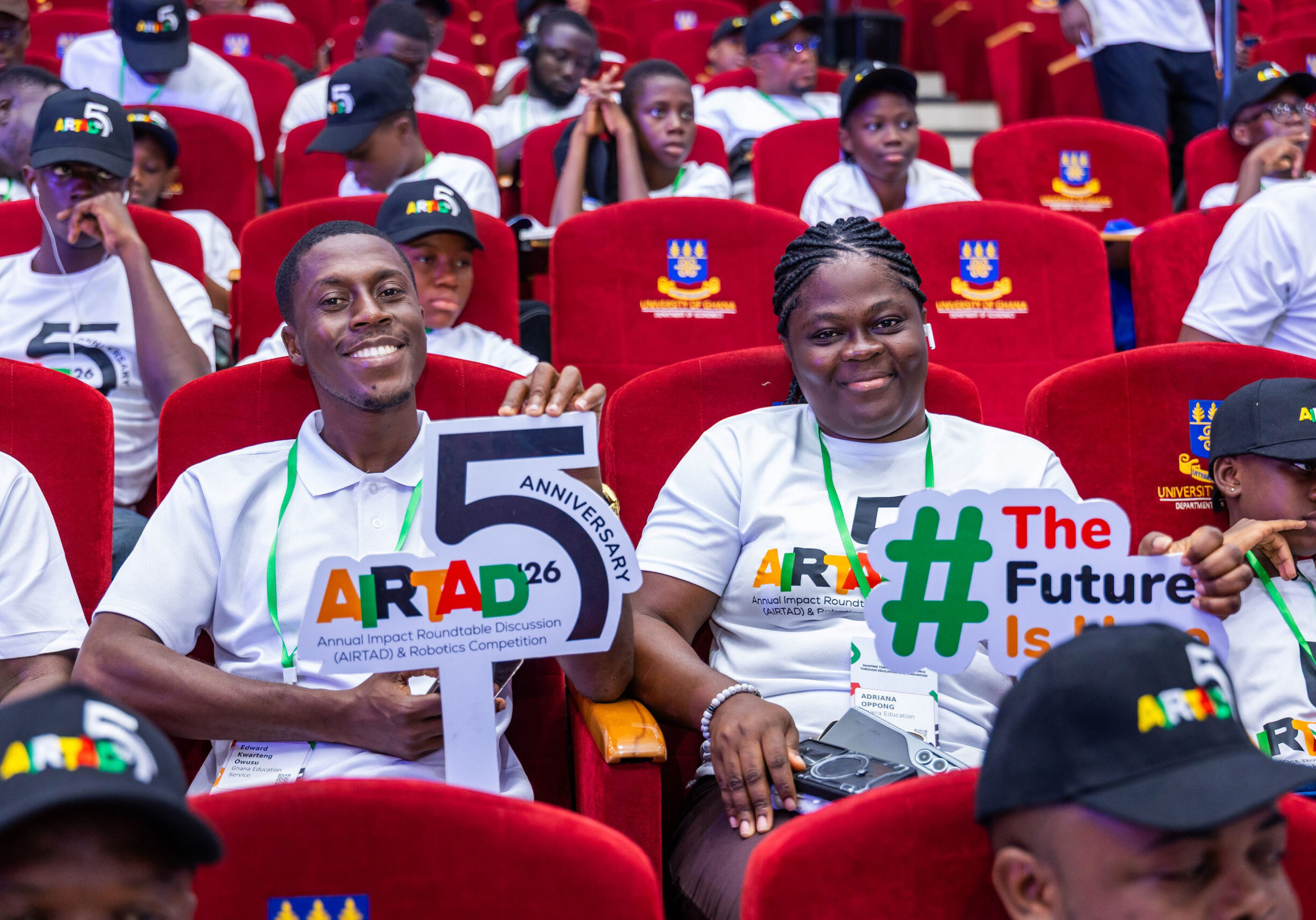
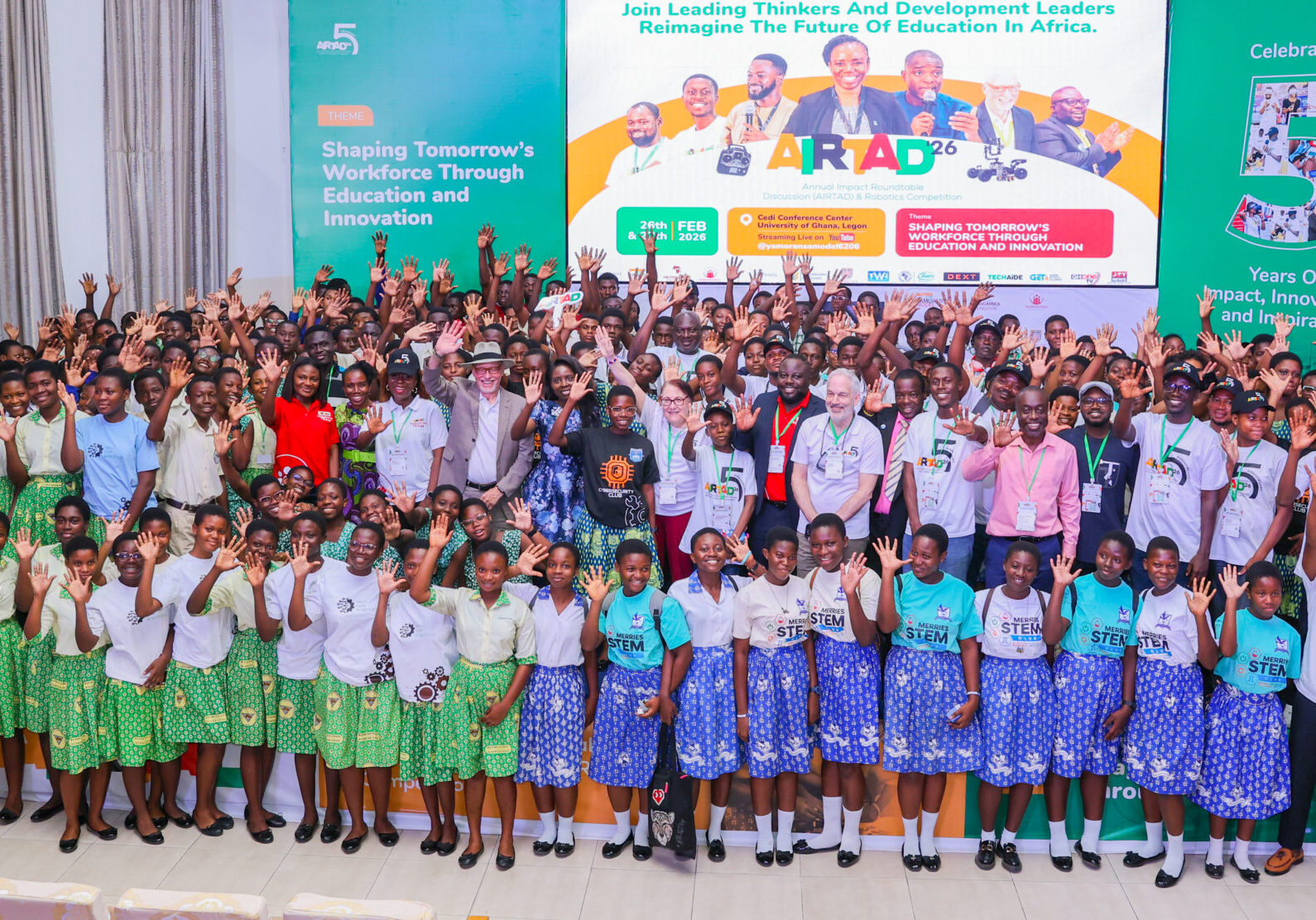
The Annual Impact Roundtable Discussion (AIRTAD) & Robotics Competition is an annual impact activity of the Yamoransa Model Labs Program aimed at showcasing its achievements & impact. The event features a series of roundtable discussions, robotics exhibitions & competitions among beneficiaries of the program and participating schools. The 5th edition of AIRTAD drew over 800 attendees, including industry leaders, policymakers, education experts, university representatives, and hundreds of students from across Ghana, Liberia, and The Gambia.
AIRTAD 2026 featured keynote speeches, panel discussions, project exhibitions, STEAM debate, Stage play, and live demonstrations that highlighted groundbreaking tools and solutions transforming education. Attendees experienced firsthand how technology is reshaping teaching and learning for the next generation.
Highlights included:
- A STEAM Debate competition between participating schools.
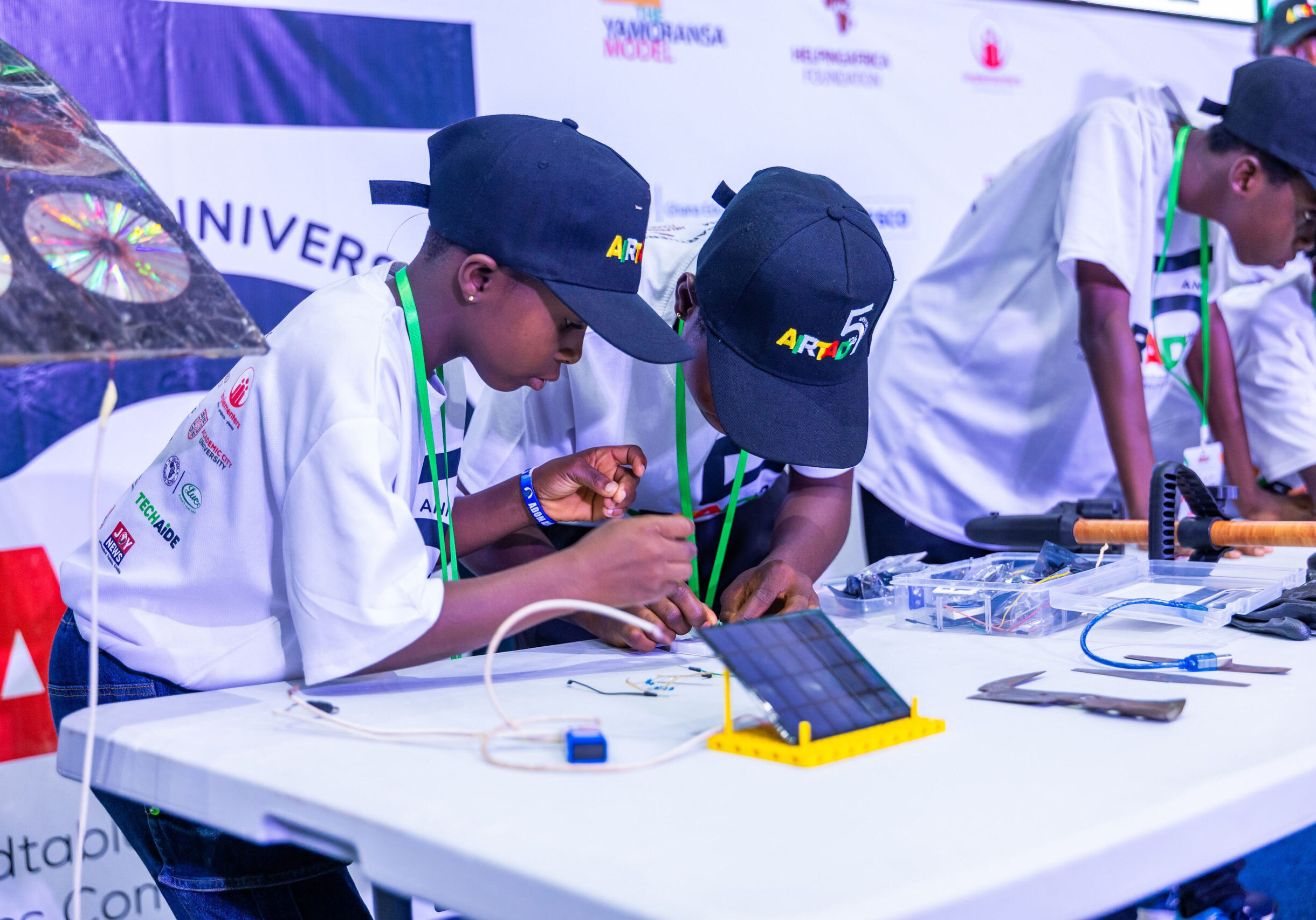
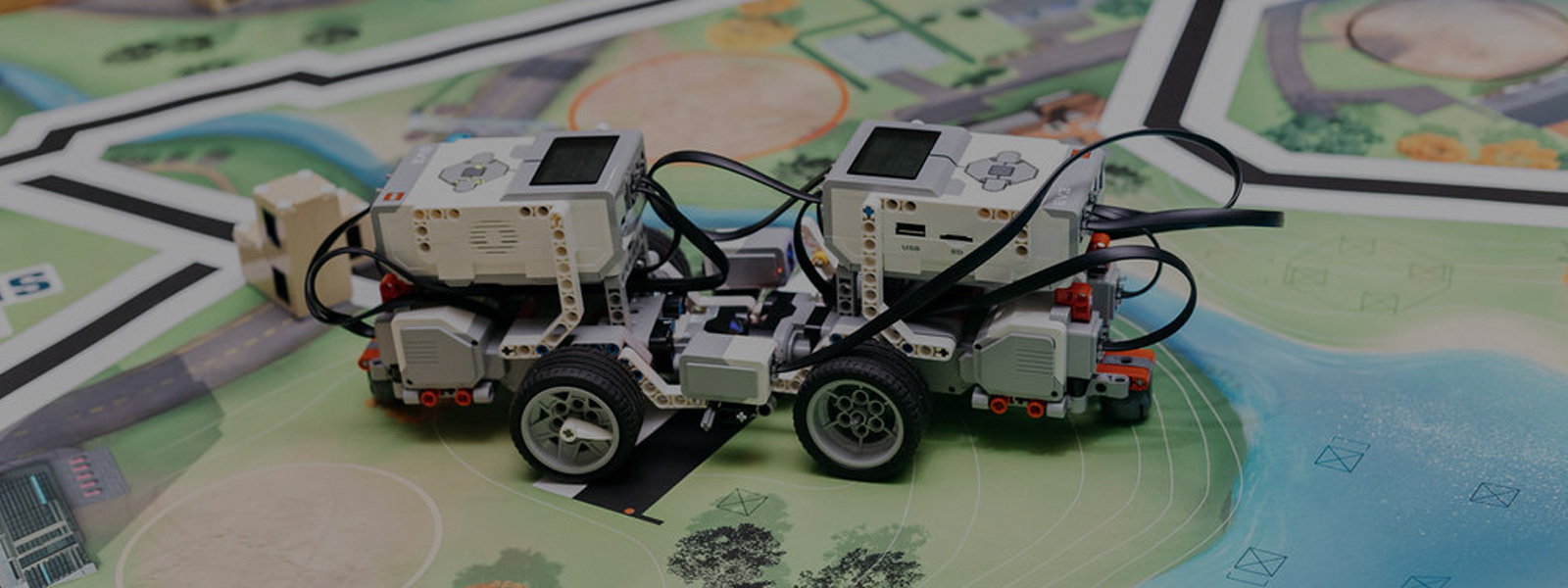
- Intense and thrilling Robotics Competitions across both the Basic and Senior High levels.
- A captivating stage play centred on Artificial Intelligence.
- High-level discussions on the Yamoransa Model Labs.
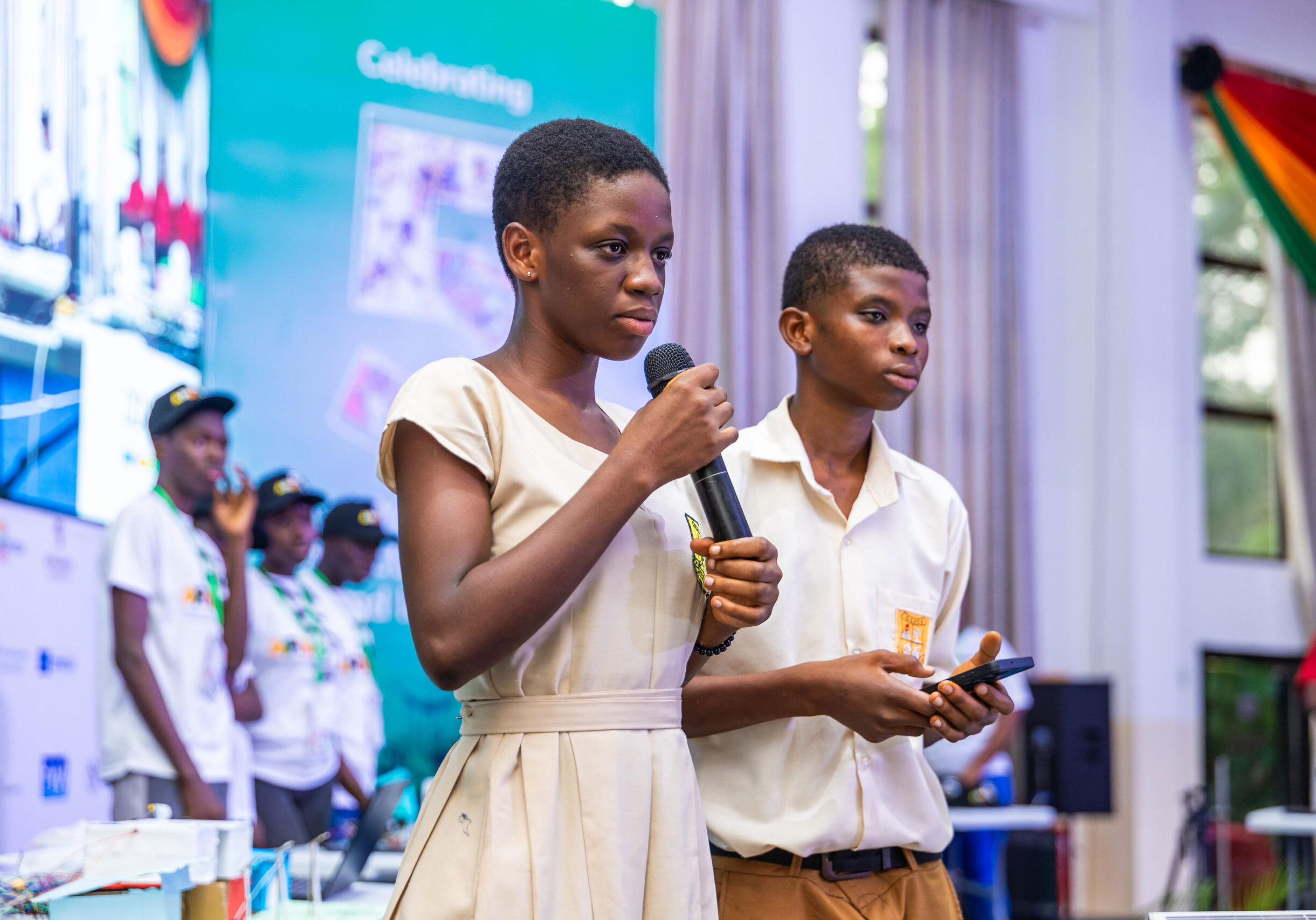
- Presentations and project exhibitions from participating schools and Yamoransa Model Labs.
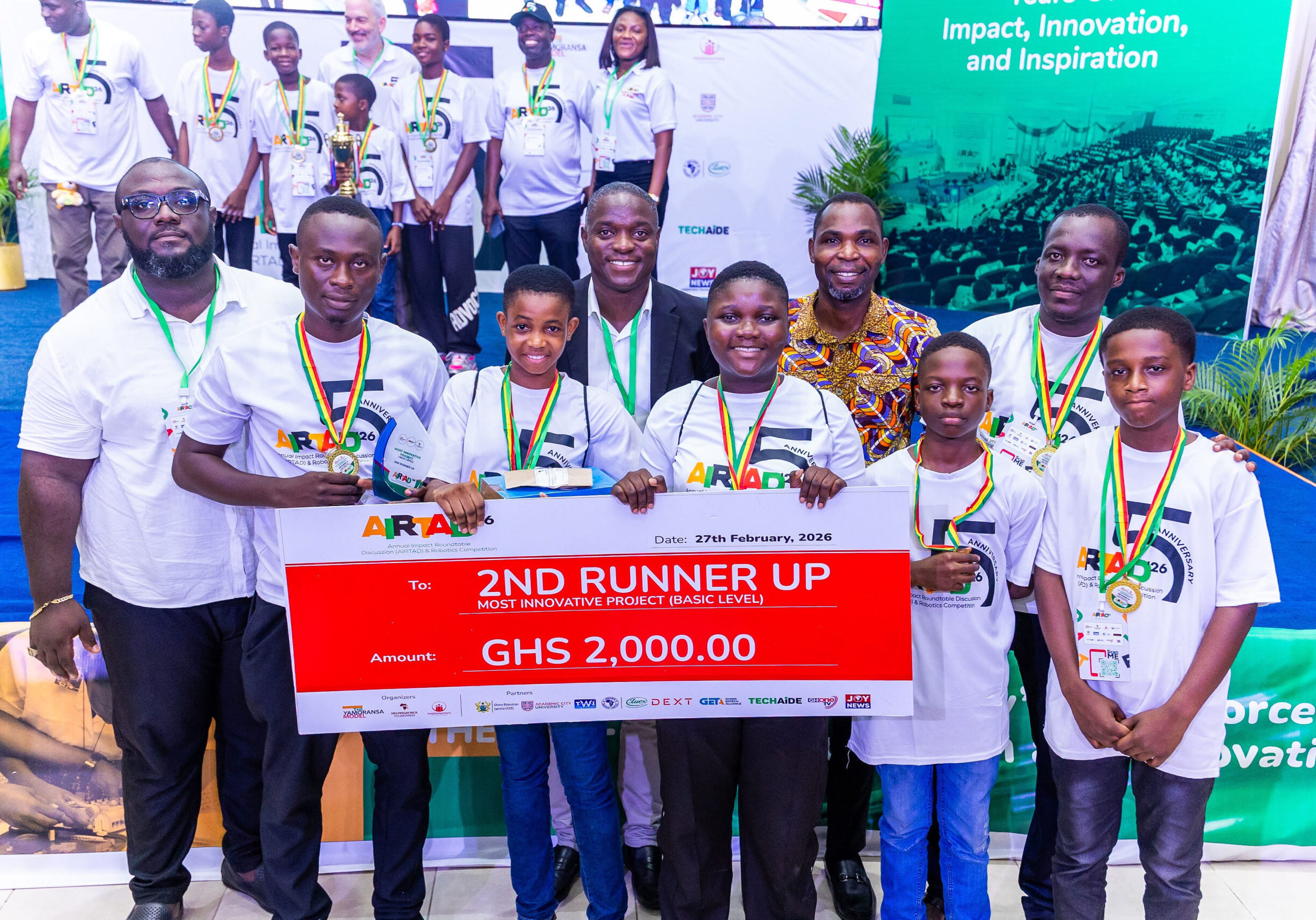
- A ceremonious awards session celebrating exceptional talents from across the competition.
- Vibrant cultural performances, including dance battles and a stage play.
SDG Challenges: Project Presentations
Goal 2:
Zero Hunger through Sustainable Agriculture
Goal 7:
Affordable & Clean Energy Innovations
Goal 13:
Climate Action
Teams with Pictures
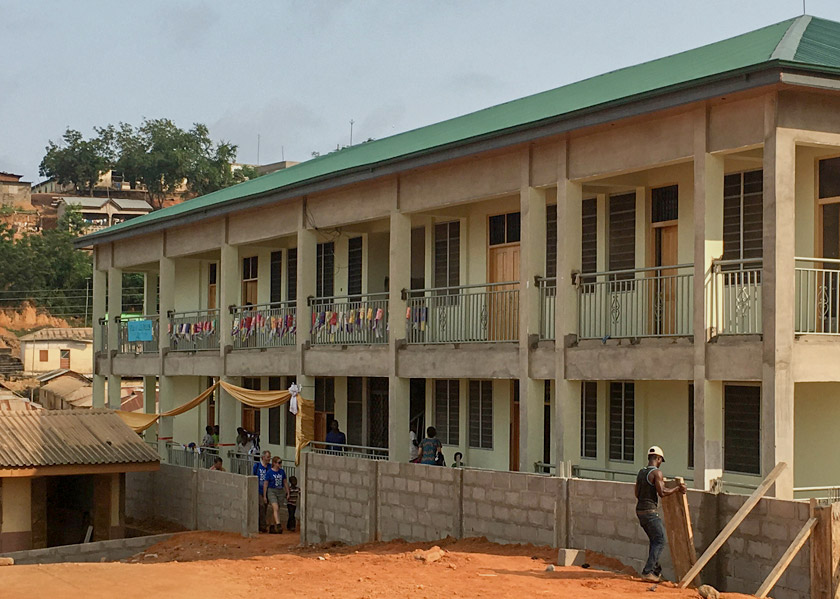
Yamoransa Model Lab 1
Yamoransa, Central Region, Ghana
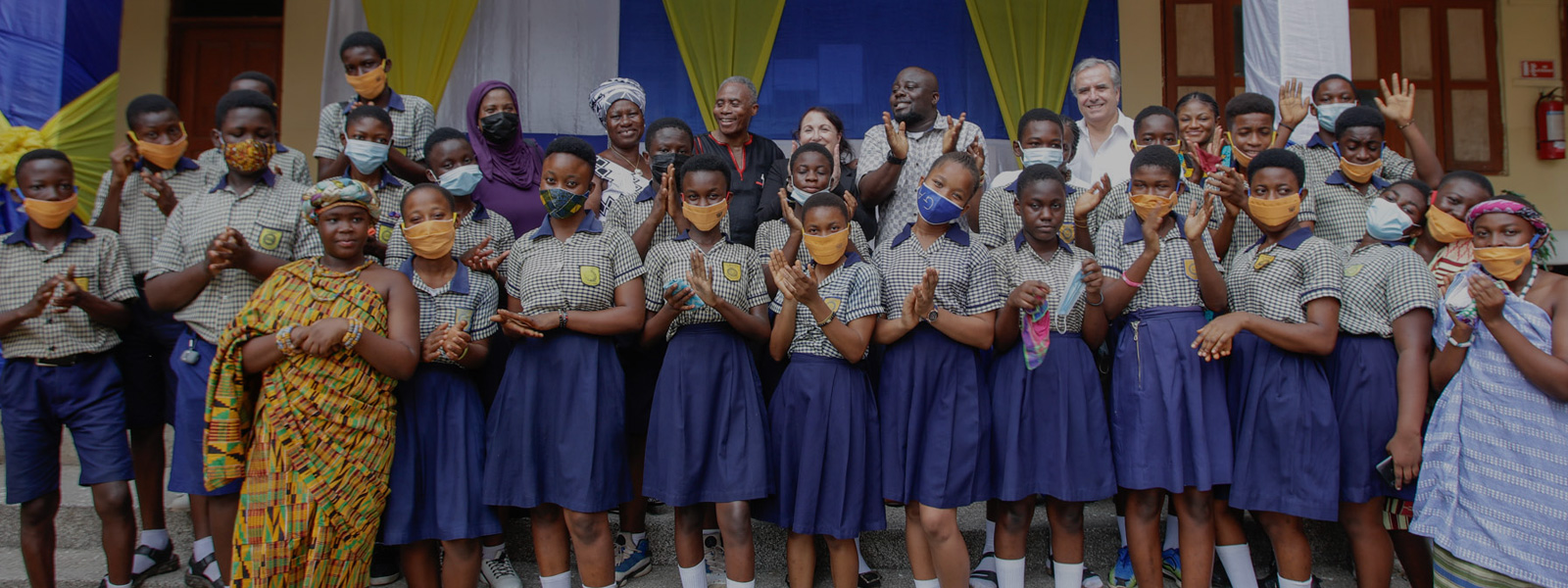
Yamoransa Model Lab 2
Gbawe, Greater Accra Region, Ghana
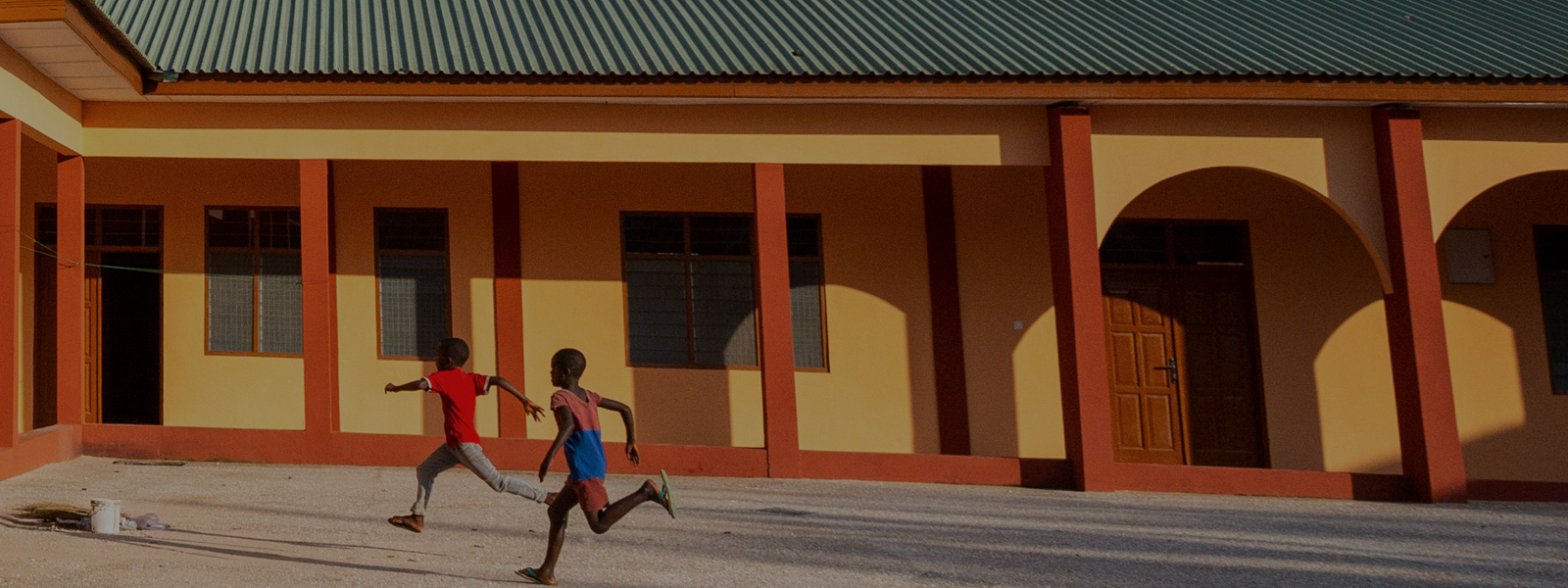
Yamoransa Model Lab 3
Sekyedumase, Ashanti Region, Ghana
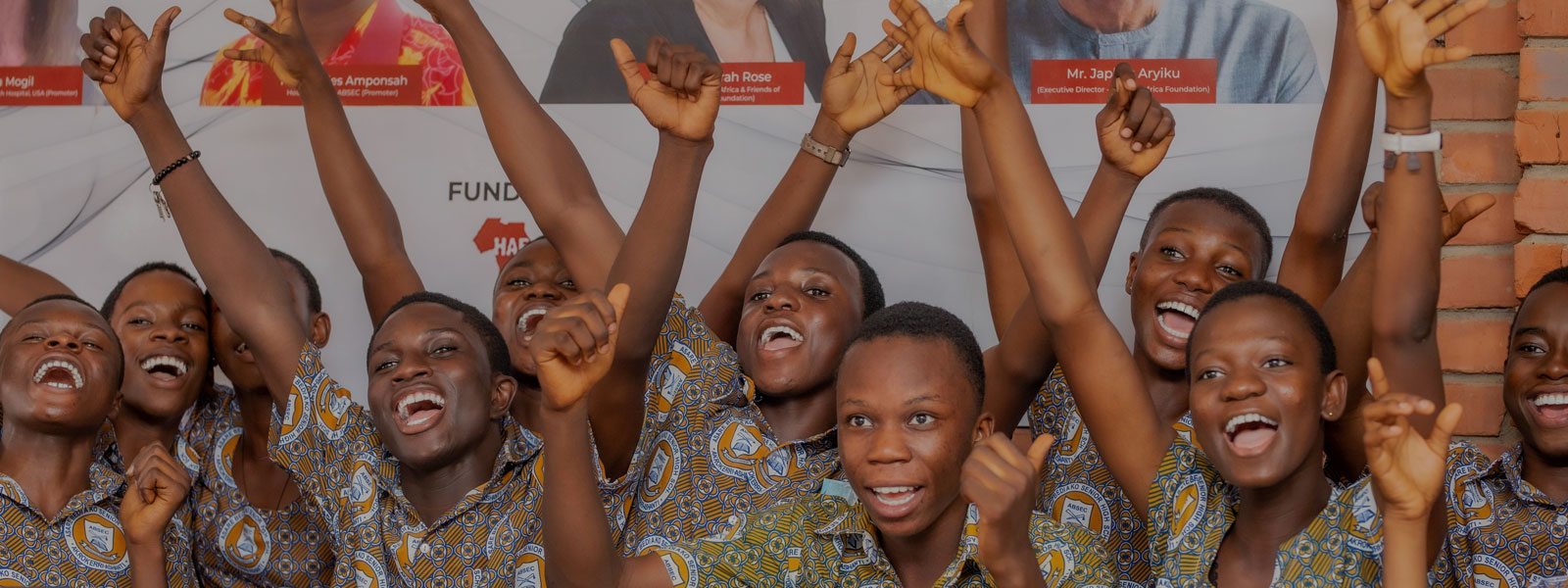
Yamoransa Model Lab 3.1
Akrokeri, Ashanti Region, Ghana
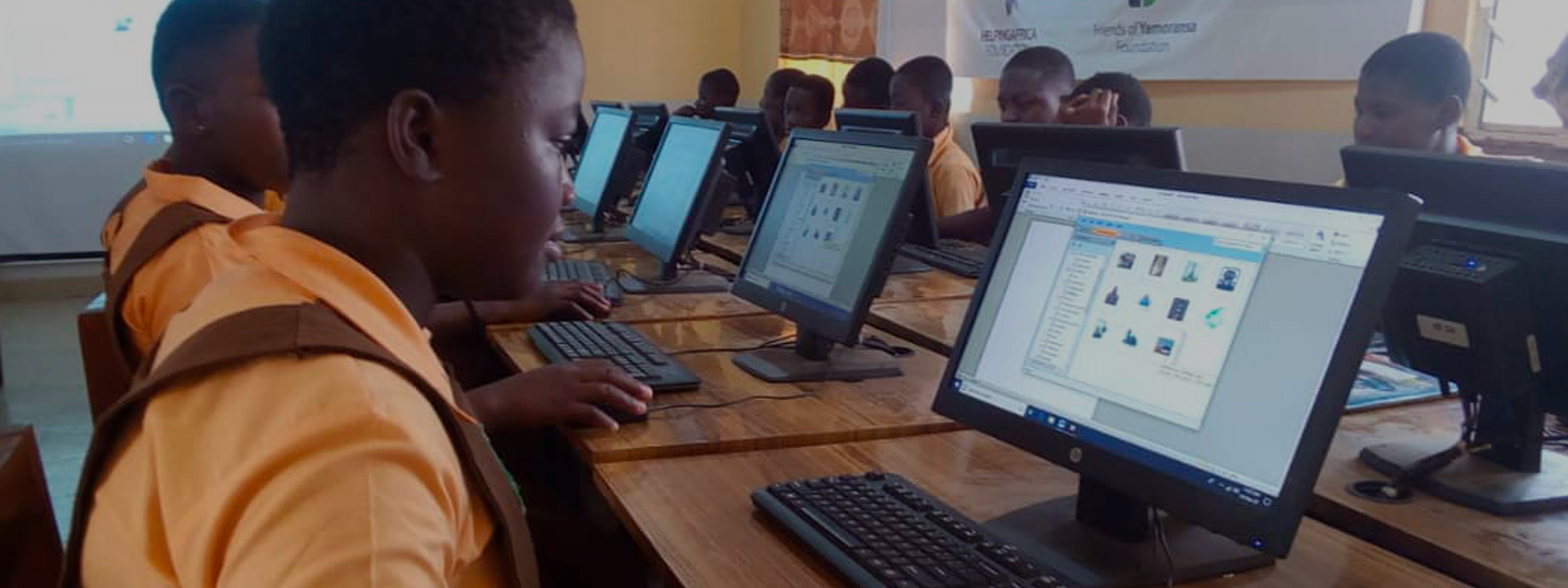
Yamoransa Model Lab 4
Choggu, Northern Region, Ghana
Yamoransa Model Lab 5
Kyebi, Eastern Region, Ghana
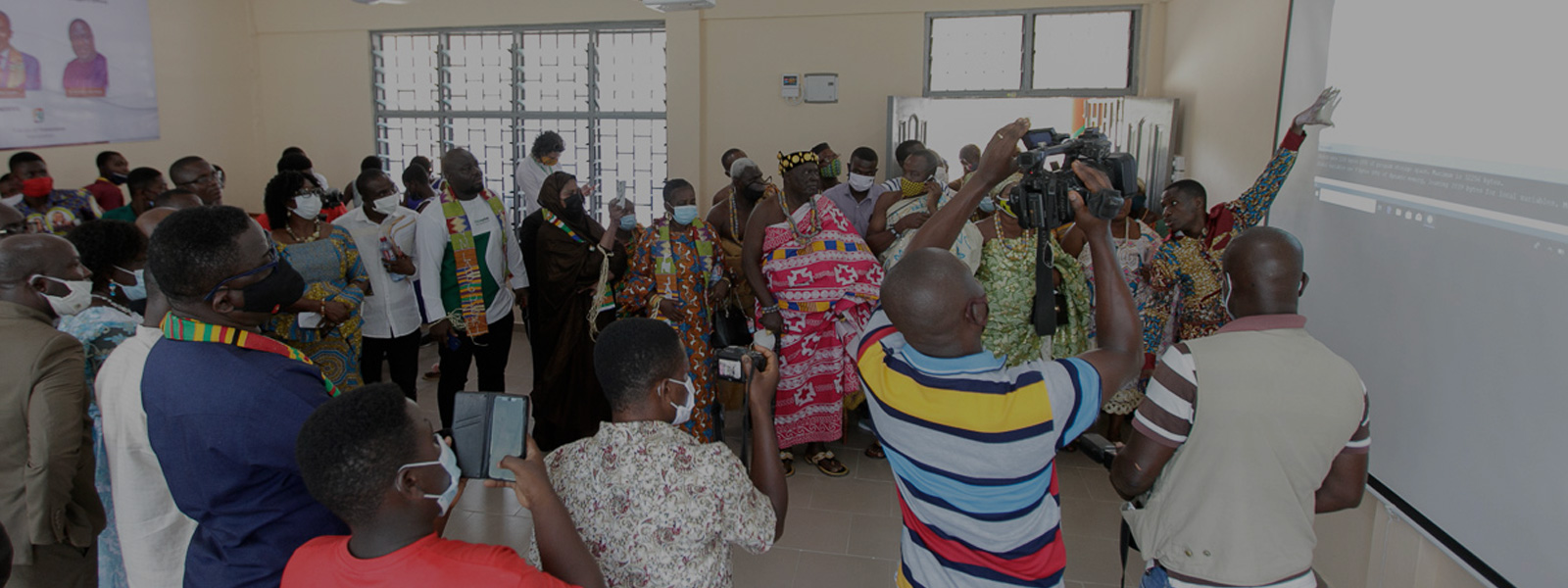
Yamoransa Model Lab 6
Peki-Avetile, Volta Region, Ghana
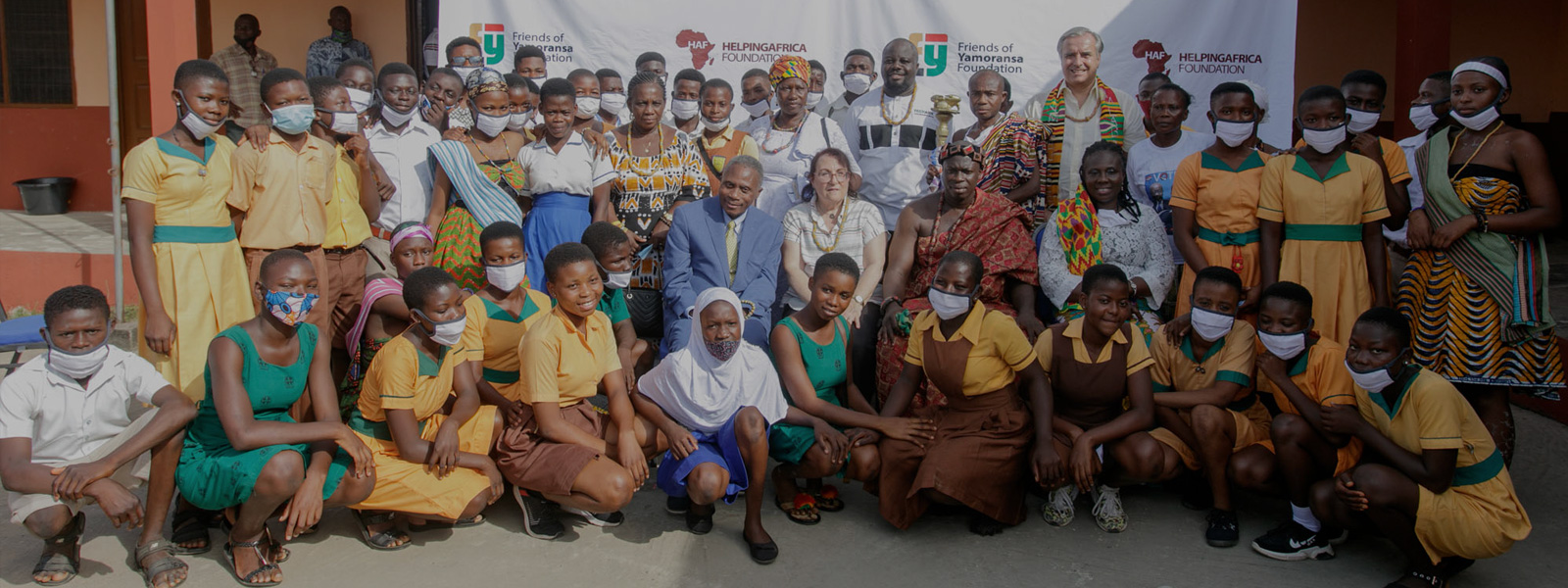
Yamoransa Model Lab 7
Nkonya, Oti Region, Ghana
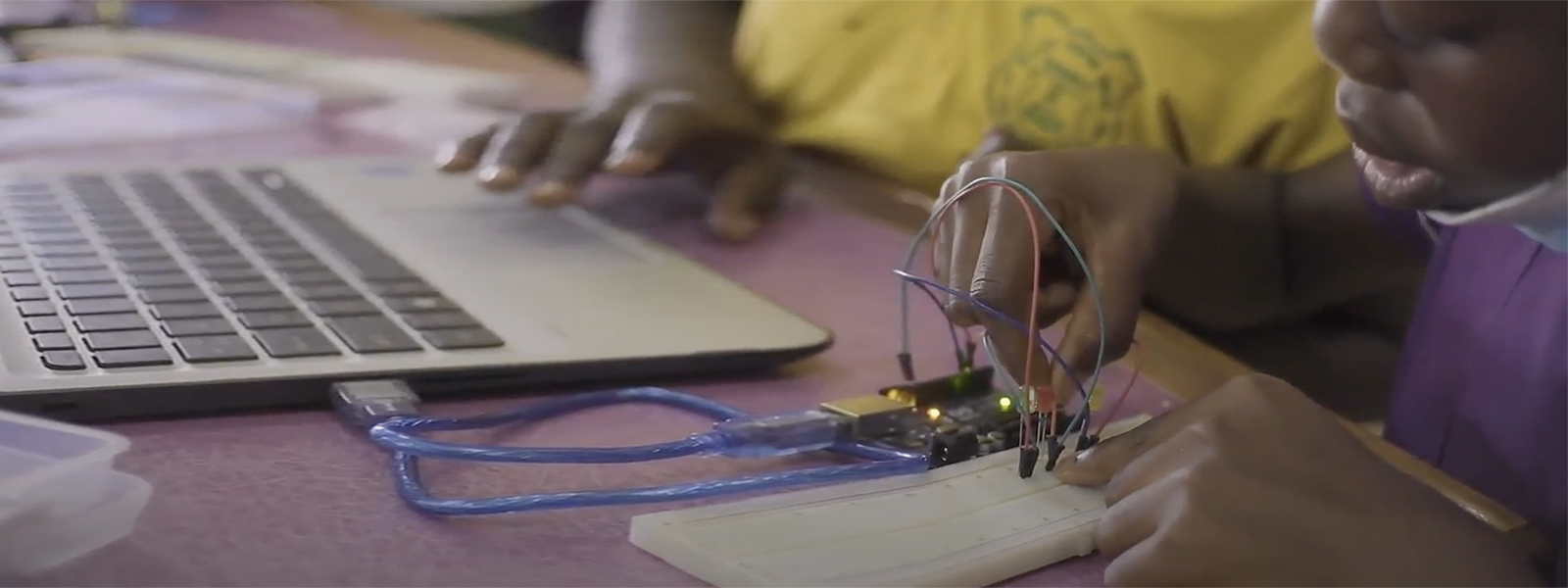
Yamoransa Model Lab 9
Bomaa, Ahafo Region, Ghana
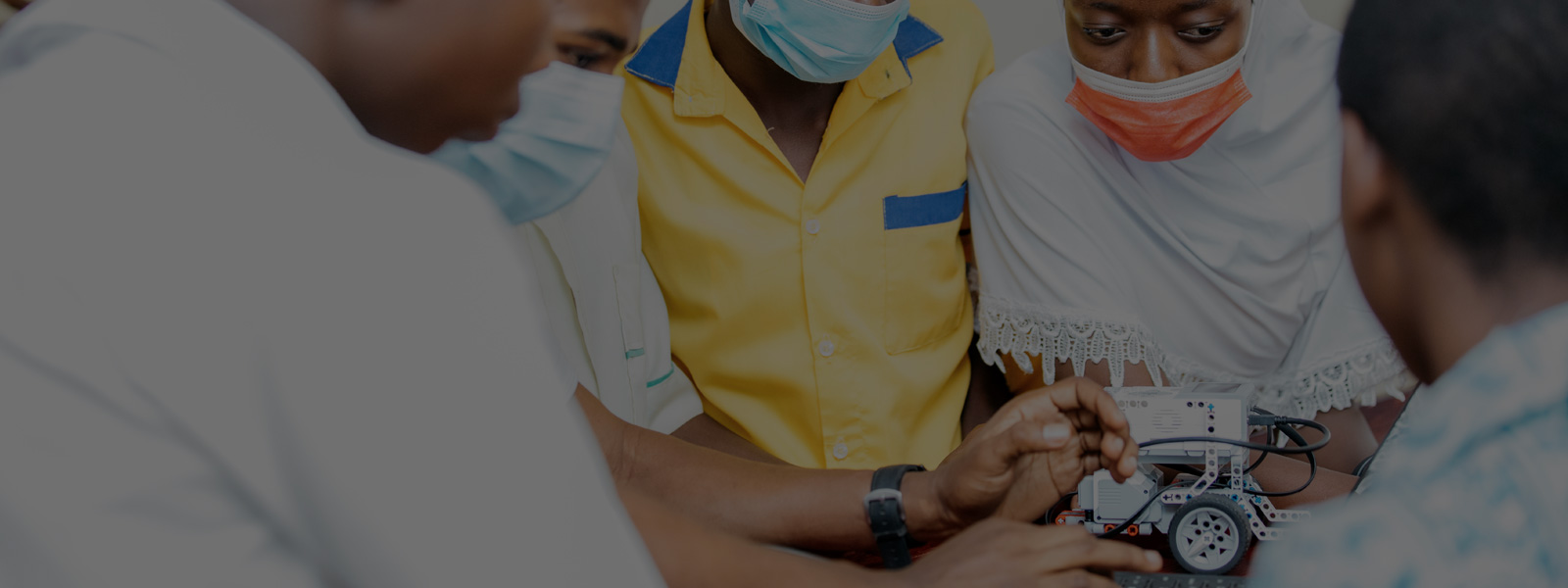
Yamoransa Model Lab 10
Tuobodom, Bono East Region, Ghana
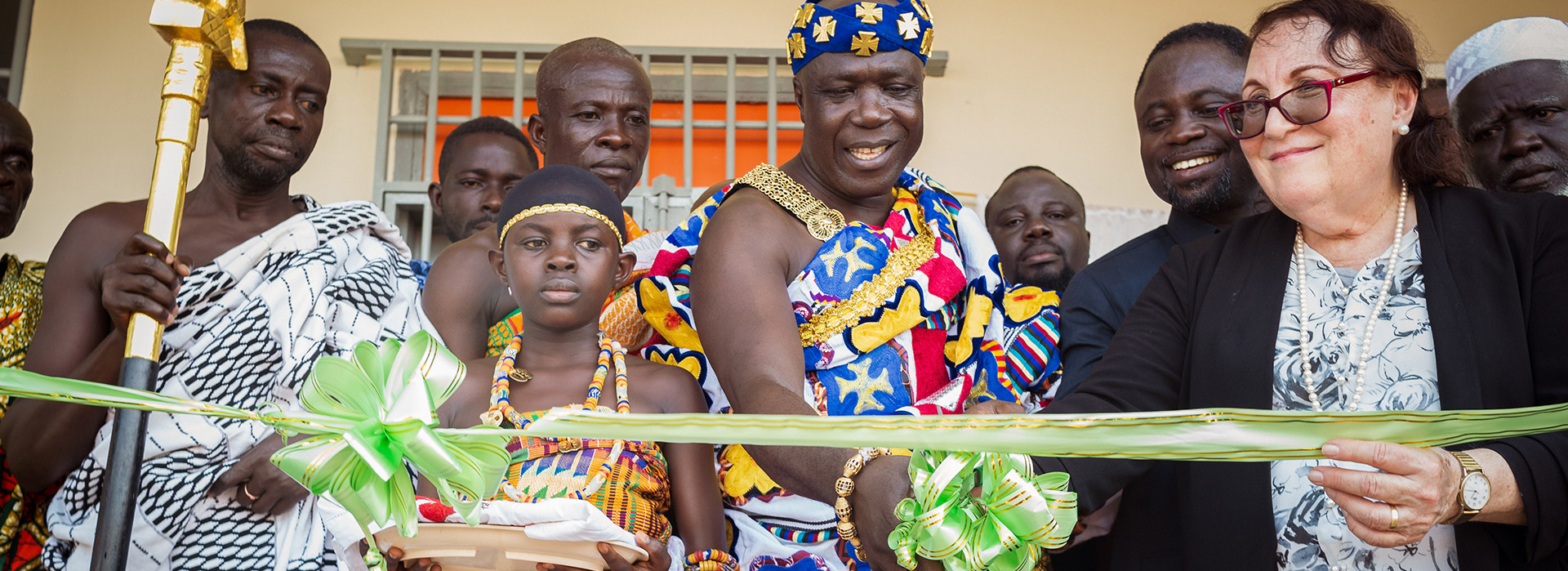
Yamoransa Model Lab 11
Juaboso, Western North Region, Ghana
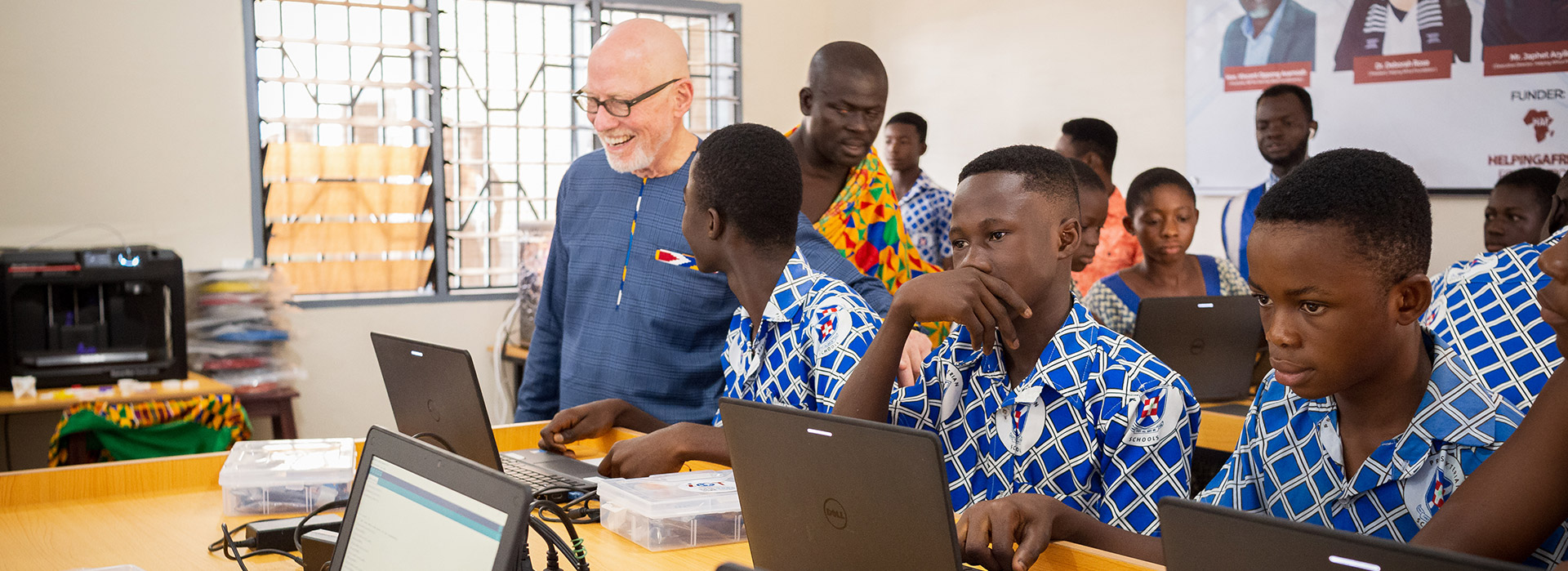
Yamoransa Model Lab 12
Nkrankwanta, Bono Region, Ghana
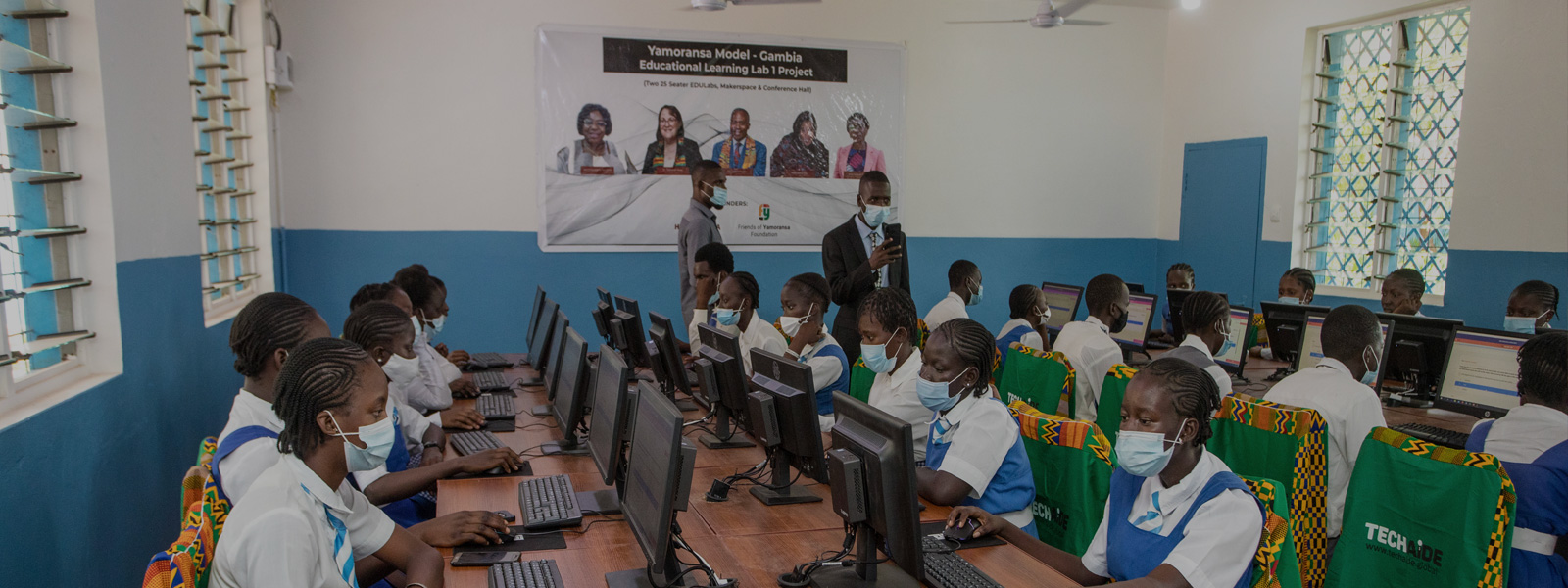
Yamoransa Model Lab
Banjul, Gambia

Yamoransa Model Lab
Monrovia, Liberia
Yamoransa Model Lab 13
Tempane, Upper West Region, Ghana
Facts and Numbers
Competition Structure
Competition Format:
- The competitions are held across three stages for both the Basic and Senior High levels: Preliminary, Semi-Final, and Final stages.
- All participating schools and labs are grouped at each stage, competing in a combination of EDULab & Makerspace Questions.
- The Preliminary stage consists of 4 groups, with each group made up of 4 participating schools or labs competing against one another.
- The winner and first runner-up from each of the 4 Preliminary groups advance to the Semi-Final stage.
- The Semi-Final stage consists of 2 groups, with each group made up of 4 qualifying schools or labs drawn from the Preliminary stage.
- The winner and first runner-up from each of the 2 Semi-Final groups qualify for the Final stage, bringing a total of 4 schools or labs into the Finals.
- The Final stage sees the 4 qualifying schools or labs compete against one another to determine the overall champions.
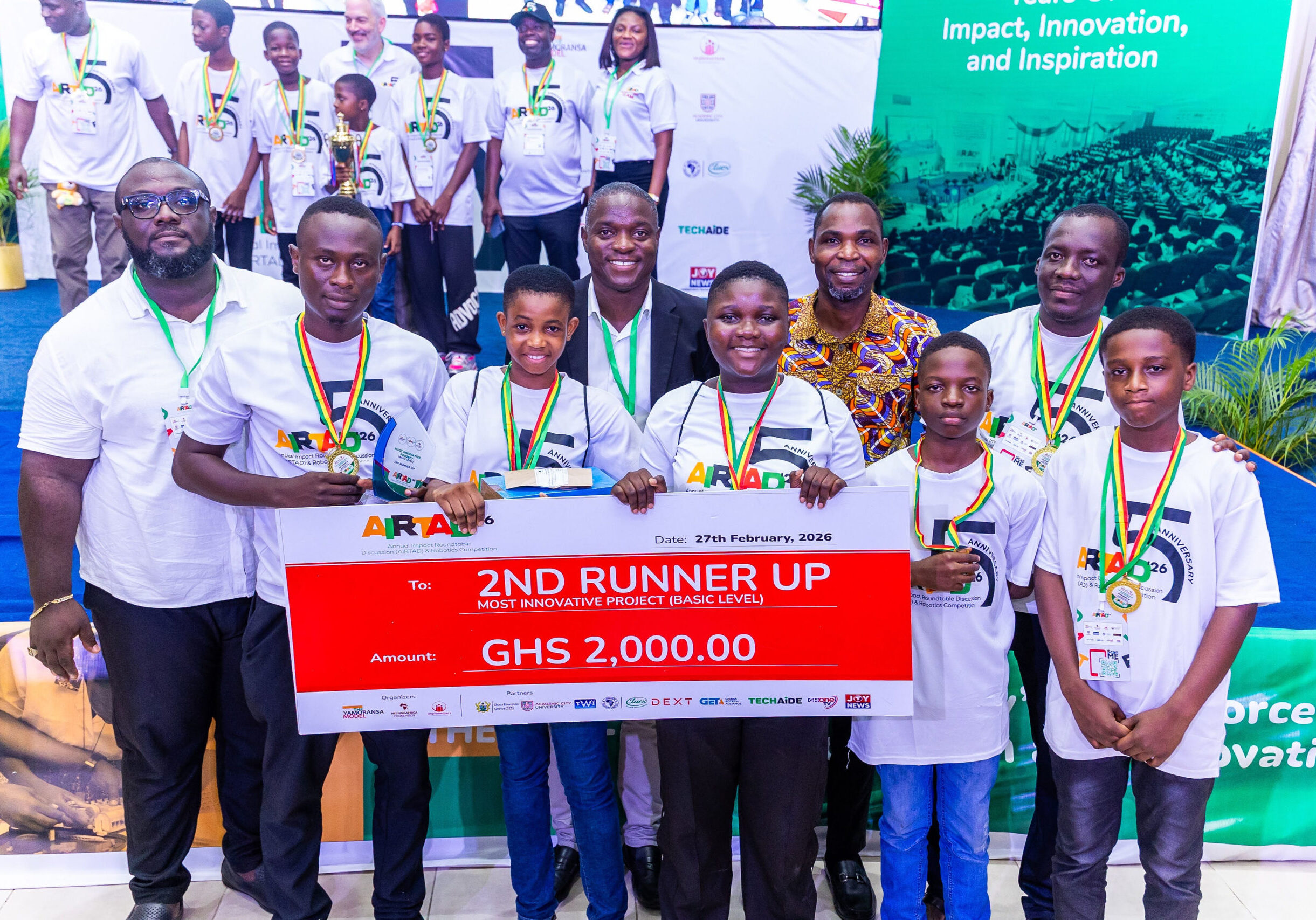
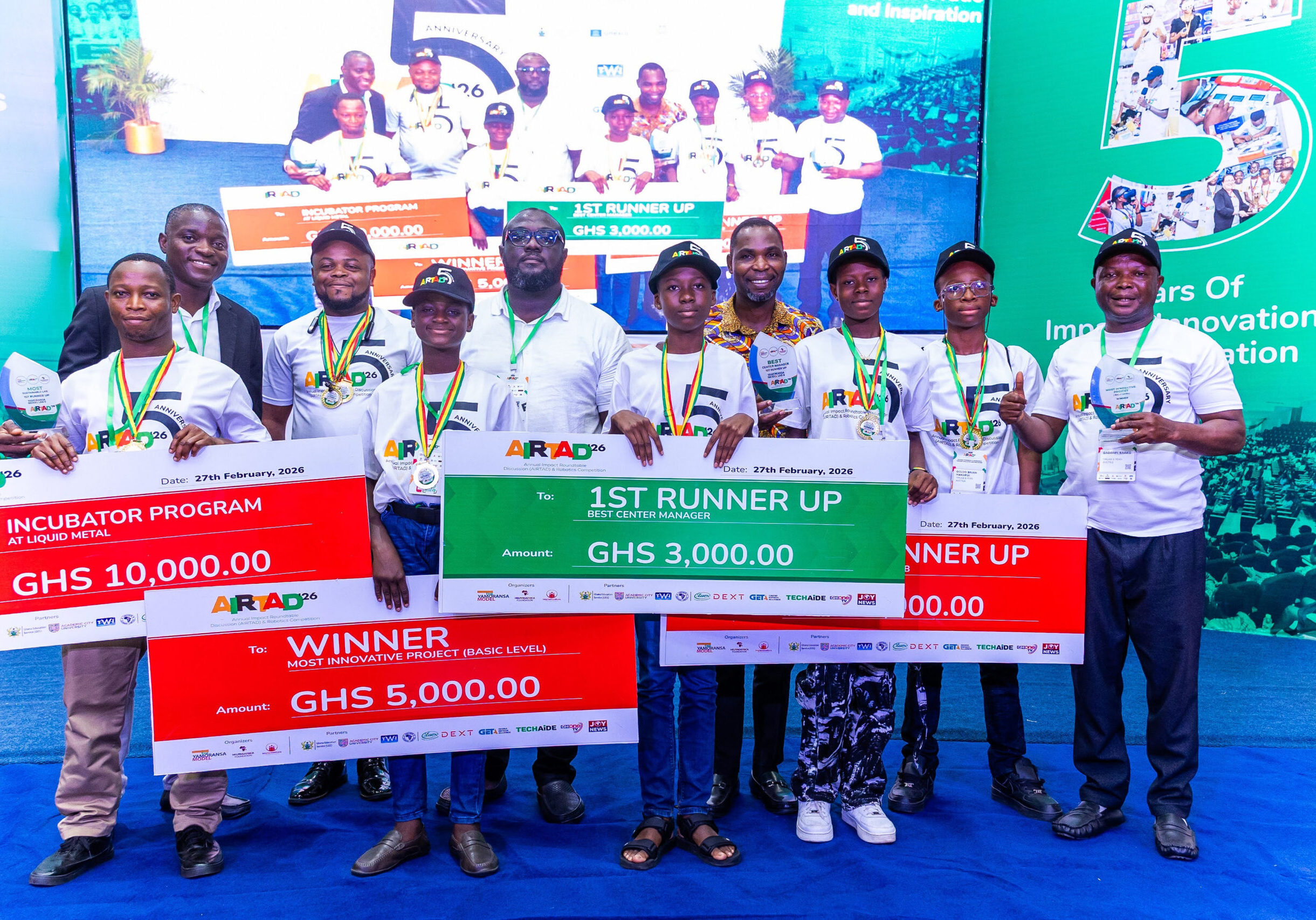
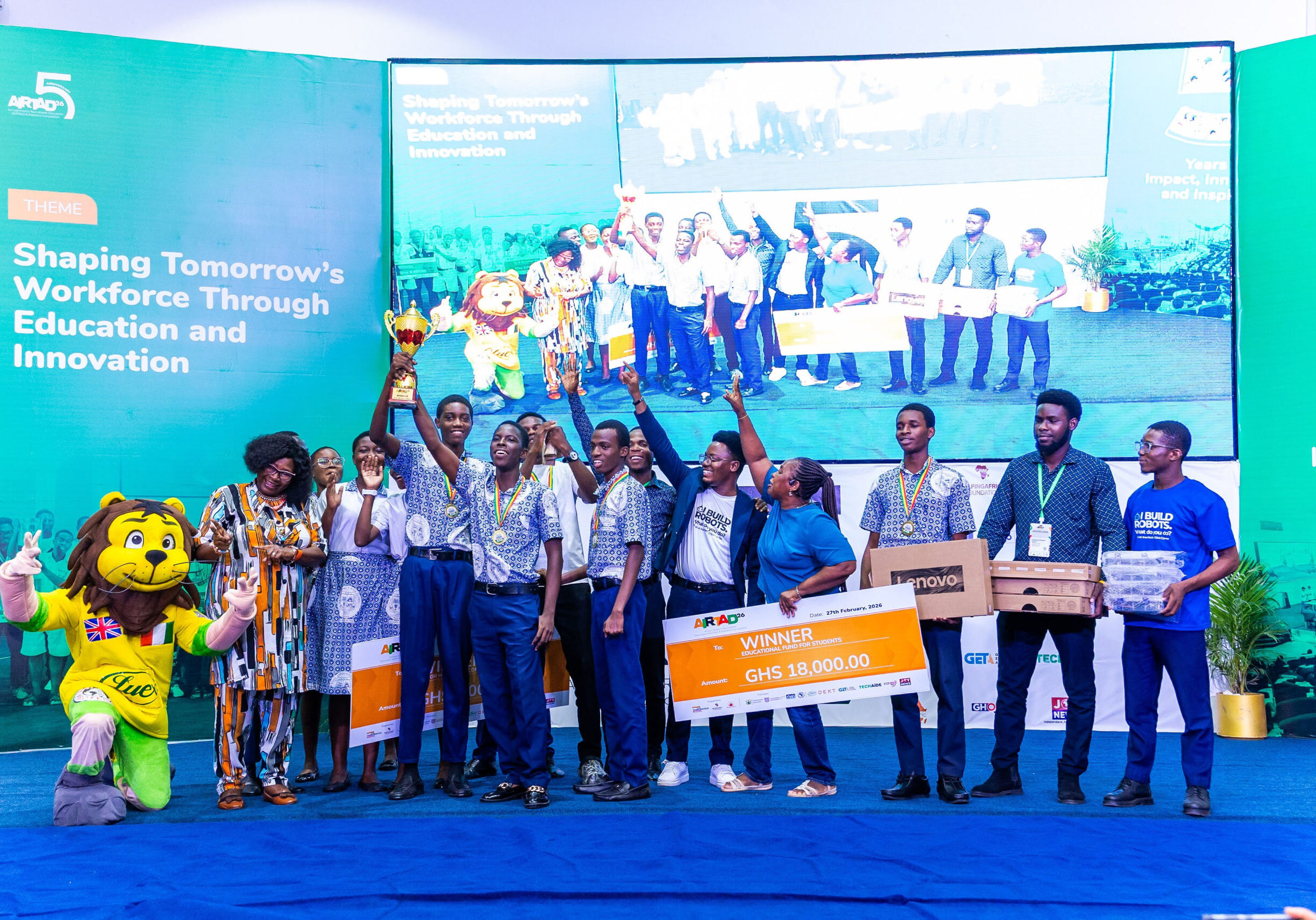
- The award ceremony recognises the winner, first runner-up, and second runner-up from the Finals of both the Basic Level and Senior High Level competitions.
| Preliminary Stages | ||
| Number of Labs | Rounds | Duration |
| Fifteen Teams (15) Categorised into 4 contests comprising four labs in each contest |
Round One (1): Riddles | 1 Hour, 45 minutes |
| Round Two (2): True / False, MCQs and Fill-Ins Questions | ||
| Round Three (3): Preamble Questions | ||
| Round Four (4): Problem of the day (Practical Question) | ||
| Semi-Finals Stages | ||
| Number of Labs | Rounds | Duration |
| Eight Teams (8) Categorised into 2 contests comprising four labs in each contest |
Round One (1): Riddles | 1 Hour, 45 minutes |
| Round Two (2): True / False, MCQs and Fill-Ins Questions | ||
| Round Three (3): Preamble Questions | ||
| Round Four (4): Problem of the day (Practical Question) | ||
| Competition Finals | ||
| Number of Labs | Rounds | Duration |
| Four teams (4): The winner and first runner-up from each of the 2 Semi-Final groups qualify for the Final stage. |
Round One (1): Riddles | 1 hour, 45 minutes |
| Round Two (2): True / False, MCQs and Fill-Ins Questions | ||
| Round Three (3): Preamble Questions | ||
| Round Three (4): Problem of the day (Practical Question) | ||
Participating Schools and YM Labs:
- YM Lab 3.1
- YM Lab Gambia
- YM Lab Liberia
- Mfantsipim School
- St. Augustine's Senior High School
- Obuasi Senior High Technical School
- St. Peter's Senior High School
- Achimota Senior High School
- Presbyterian Boys Senior High School, Legon
- Odorgonor Senior High School
- Accra Academy
- Accra Girls Senior High School
- Aburi Senior High School
- St Mary’s Senior High School
- Labone Senior High School
| Preliminary Competition | ||
| Number of Labs | Rounds | Duration |
| Fifteen Teams (15)
Categorised into 4 contests comprising four in each contest |
Round One (1): Riddles | 1 hour 45 minutes |
| Round Two (2): True / False, MCQs and Fill-Ins Questions | ||
| Round Three (3): Preamble Questions | ||
| Round Four (4): Problem of the day (Practical Question) | ||
| Semi-Finals Stages | ||
| Number of Labs | Rounds | Duration |
| Eight Teams (8) Categorised into 2 contests comprising four labs in each contest |
Round One (1): Riddles | 1 Hour, 45 minutes |
| Round Two (2): True / False, MCQs and Fill-Ins Questions | ||
| Round Three (3): Preamble Questions | ||
| Round Four (4): Problem of the day (Practical Question) | ||
| Competition Final | ||
| Number of Labs | Rounds | Duration |
| Four labs (4): The winner and first runner-up from each of the 2 Semi-Final groups qualify for the Final stage. |
Round One (1): Riddles | 2 hours 15 minutes |
| Round Two (2): True / False, MCQs and Fill-Ins Questions | ||
| Round Three (3): Preamble Questions | ||
| Round Four (4): Problem of the day (Practical Question) | ||
Competition Winners
| Basic Level Competition Winners | Secondary Level Competition Winners |
| Winners: Yamoransa Model Lab 11, Juaboso, Western Region First Runner-up: Yamoransa Model Lab 2, Gbawe, Second Runner-up: Yamoransa Model Lab 7, Nyonka Ahenkro, |
Winners: Labone Senior High School
First Runner-up: Presbyterian Boys' Senior High School Second Runner-up: Yamoransa Model Lab 3.1 |
| Most Innovative Lab: Yamoransa Model Lab 11, Juaboso, Western Region | |
| Most Sustainable Lab: Yamoransa Model Lab 8, Bogosu, Western Region | |
| Best GES Representative: Yamoransa Model Lab 8, Bogosu, Western Region | |
| Best Centre Manager: Yamoransa Model Lab 8, Bogosu, Western Region | |
As the conference concluded, participants left inspired, connected, and more committed than ever to the mission of equitable access to digital education and development across Africa.
We extend our heartfelt thanks to our partners, sponsors, volunteers, and participants for making AIRTAD 2026 a success. Together, we continue to shape a future where every child has the right tools to thrive.